PPI

Buying a used vehicle can feel like a gamble, but a thorough Pre-Purchase Inspection (PPI) is your best defense against “buying someone else’s problem.” A professional PPI typically covers 150+ points of inspection.

Here is the detailed breakdown of what a comprehensive PPI should include:

Exterior & Structural Integrity

The goal here is to find evidence of past accidents or neglect that a fresh coat of wax might hide.

  • Body Panels: Inspection for dents, scratches, and rust; check for inconsistent panel gaps (a sign of frame repair).
  • Paint: Check for overspray on trim or color mismatches between panels.
  • Glass: Scrutinize the windshield for chips or “pitting” and ensure all window seals are intact.

Frame: Check the chassis for welds, kinks, or “crumple zone” damage.

Under the Hood (Mechanical)

This is the “heart” of the inspection. The mechanic looks for signs of long-term health.

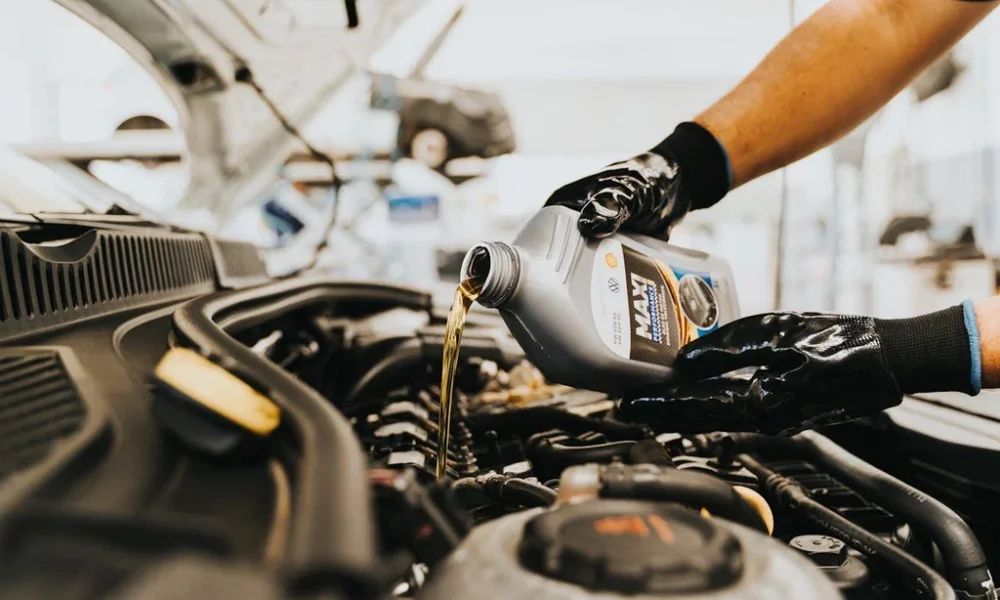
  • Fluids: Check the level and condition of engine oil, coolant, brake fluid, and power steering fluid.
    Note: “Milky” oil can indicate a blown head gasket.
  • Belts & Hoses: Look for cracks, fraying, or soft spots in radiator hoses.
  • Battery: Test voltage and check for terminal corrosion.
  • Engine Health: Listen for knocks, ticks, or rough idling.

Underbody & Drivetrain

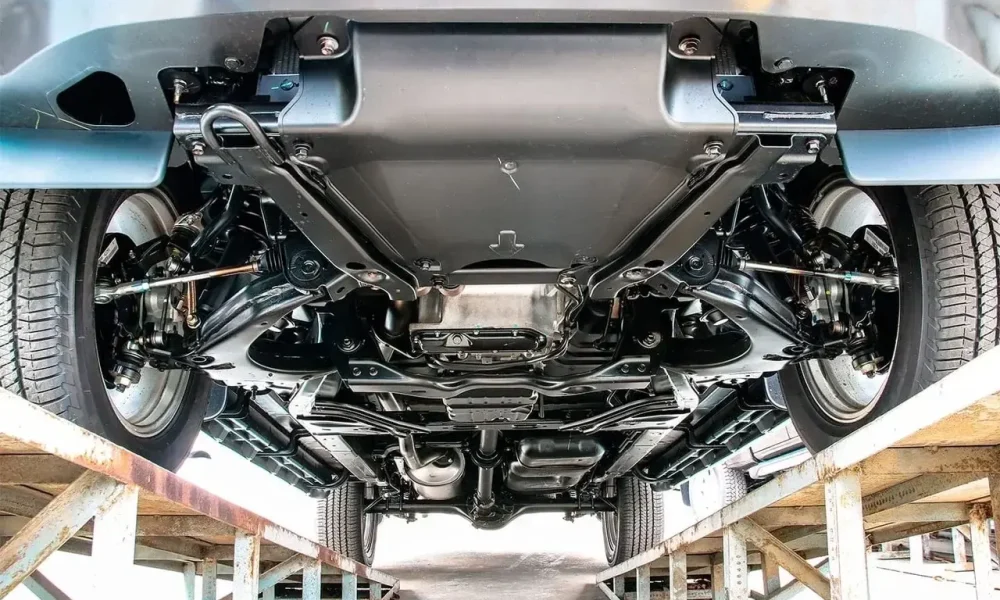
The car must be put on a lift to see these critical components.

  • Leaks: Search for active oil, transmission, or coolant leaks.
  • Exhaust: Check for heavy rust, holes, or loose mounting brackets.
  • Suspension: Inspect shocks and struts for leaks, and check bushings and ball joints for excessive play.
  • Tires: Measure tread depth and look for uneven wear patterns (which suggest alignment or suspension issues).

Interior & Electronics

Modern cars are computers on wheels; fixing electronics can be more expensive than mechanical repairs.

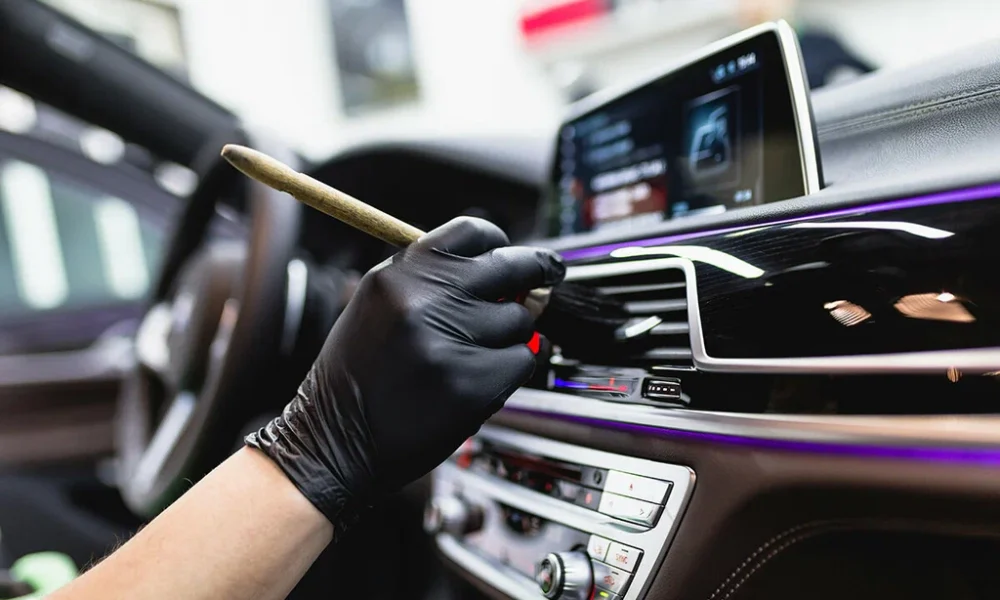
  • Dashboard: Ensure all warning lights (Check Engine, Airbag, ABS) illuminate and then turn off.
  • HVAC: Test that the A/C blows ice cold and the heater gets hot quickly.
  • Controls: Test every button—windows, locks, sunroof, seat adjusters, and infotainment.
  • Safety: Check seatbelt retraction and look for signs of previous airbag deployment.

Road Test Assessment

A static inspection won’t catch everything. A test drive reveals “dynamic” flaws.

  • Transmission: Check for smooth shifting without “hunting” or jerking.
  • Steering: Ensure the car tracks straight and the wheel doesn’t vibrate at highway speeds.
  • Braking: Feel for pulsations (warped rotors) or pulling to one side.
  • NVH: Listen for “Noise, Vibration, and Harshness” that only appears under load.
Shopping Cart

No products in the cart.

Main Menu Category Menu
What are you looking for in Partdo?