ENGINE

Think of a performance engine like a professional athlete. While a standard commuter car is built for a steady jog, a performance engine is designed for a sustained sprint. Because it operates at higher temperatures, greater pressures, and faster speeds, the margin for error is razor-thin.

Regular servicing isn’t just about “maintenance”—it’s about protecting a high-value investment and ensuring the machine actually delivers the power you paid for.

Why Performance Servicing is Non-Negotiable

Heat Management and Lubrication

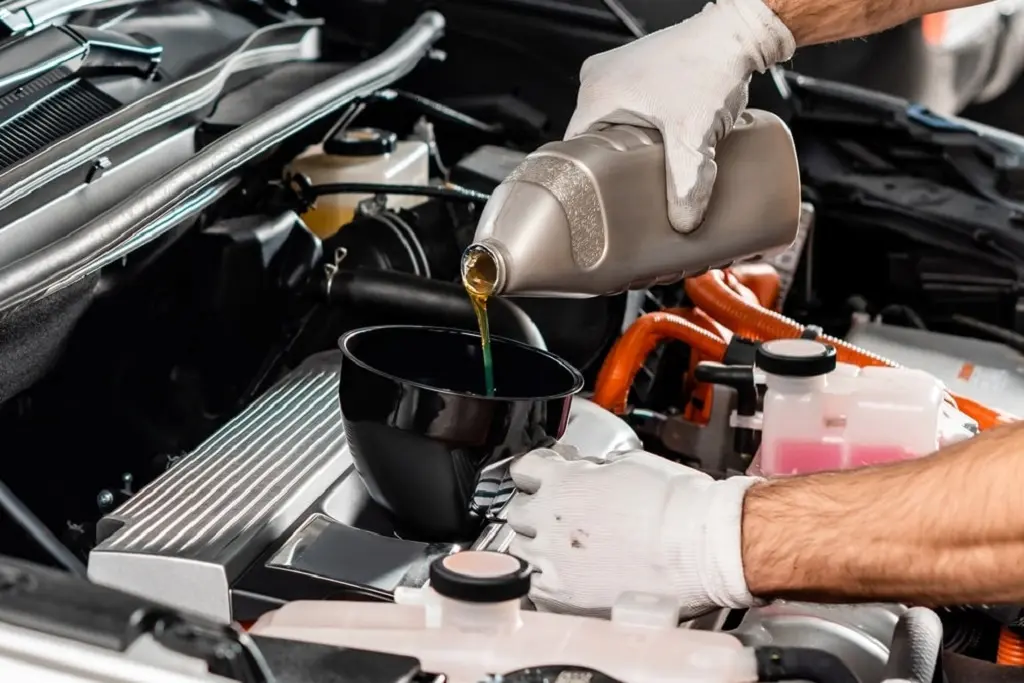
Performance engines generate immense thermal energy. High-revving environments can cause standard oil to “shear” or break down, losing its ability to protect moving parts.

  • The Risk: Metal-on-metal contact at 7,000+ RPM leads to catastrophic failure in seconds.
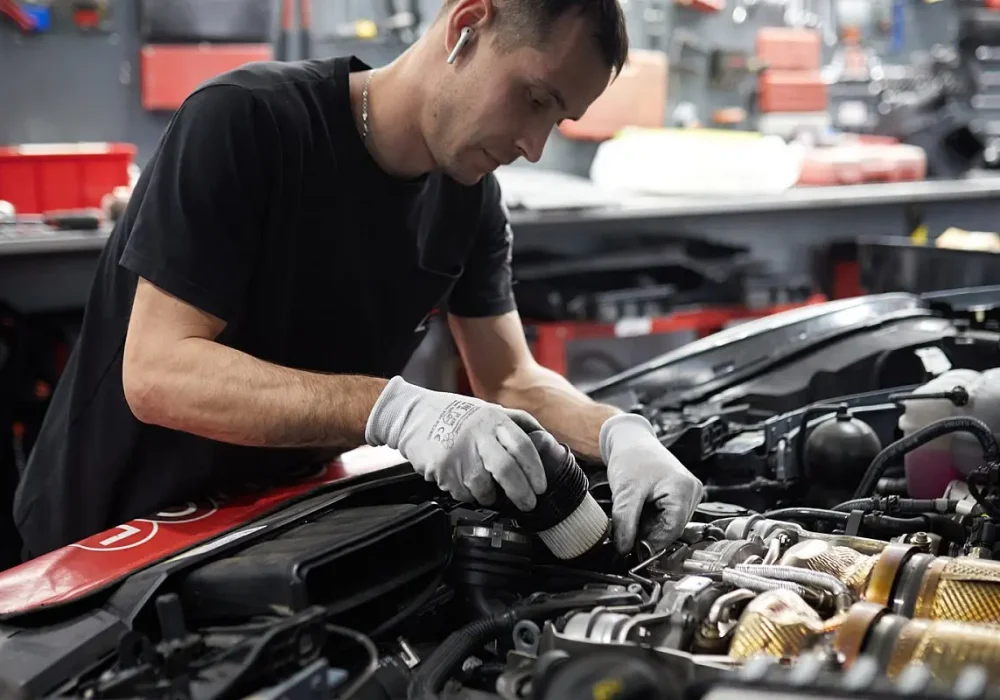
  • The Service: Using high-grade synthetic oils and racing-spec filters ensures the engine stays lubricated and cooled even under extreme load.

Maintaining Peak Power Output

Carbon buildup, clogged fuel injectors, or worn spark plugs might barely be noticeable in a sedan, but they will “strangle” a performance engine.

  • The Impact: Even a slight timing pull or a drop in fuel pressure can result in a significant loss of horsepower and torque.

The Service: Regular diagnostic logging and component cleaning ensure that the air-fuel ratio remains optimal for maximum combustion efficiency.

Prevention of "Knock" and Detonation

High-compression and turbocharged engines are sensitive to fuel quality and ignition timing.

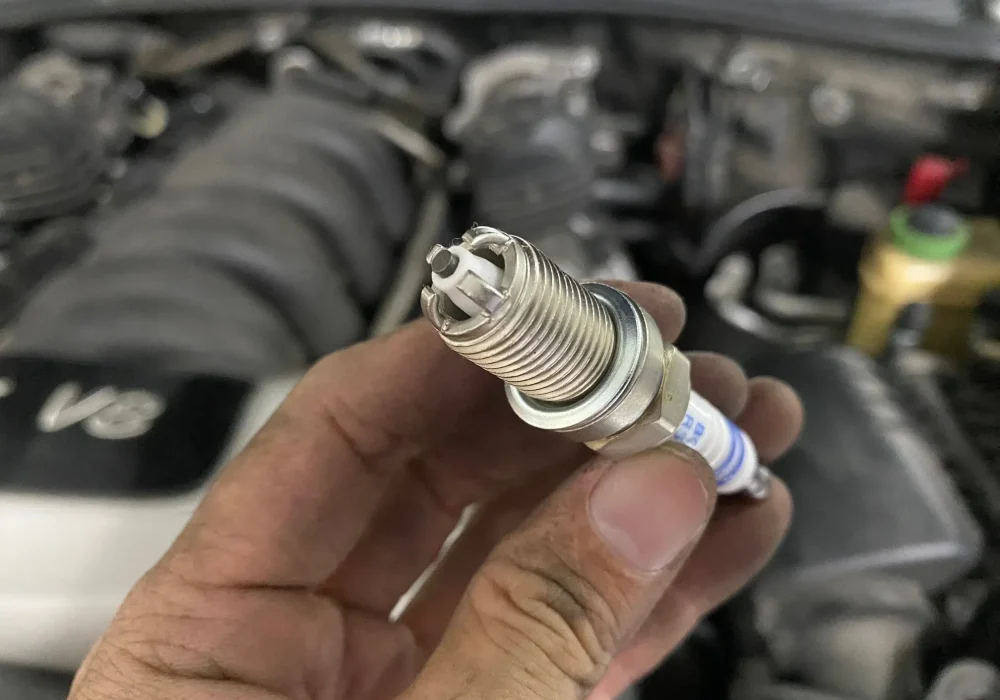
  • The Danger: If a sensor fails or a plug fouls, you risk pre-ignition (knock), which can punch a hole through a piston or bend a connecting rod.

The Service: Swapping out high-performance spark plugs and checking knock sensors prevents small electronic hiccups from becoming mechanical disasters.

Integrity of Seals and Gaskets

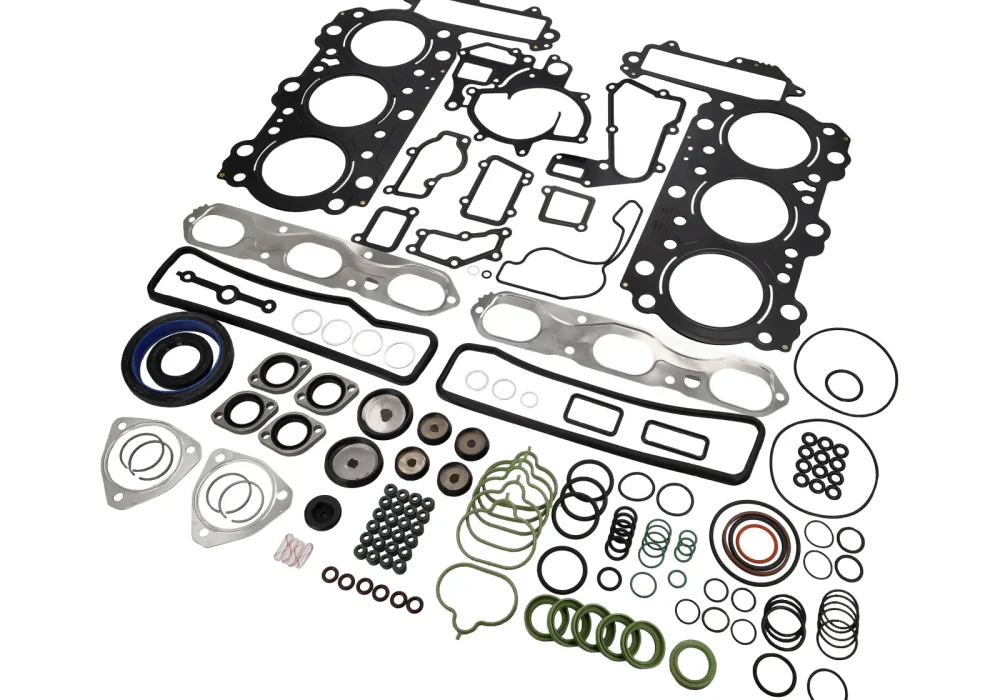
Increased boost and higher cylinder pressures put immense strain on head gaskets and O-rings.

  • The Benefit: Frequent inspections allow technicians to spot “weeping” gaskets or perished vacuum lines before they cause a vacuum leak or an overheating event.
Shopping Cart

No products in the cart.

Main Menu Category Menu
What are you looking for in Partdo?