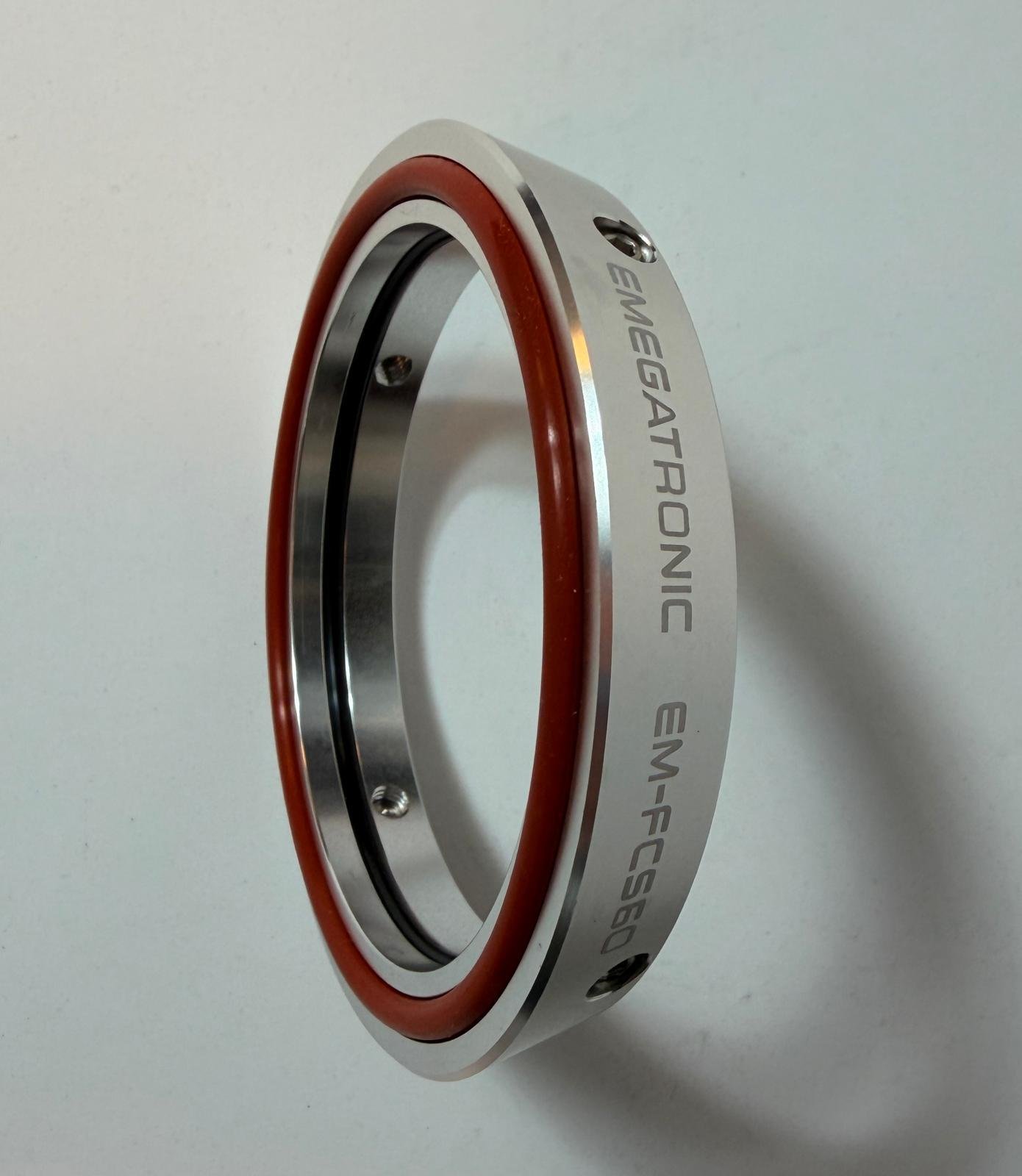
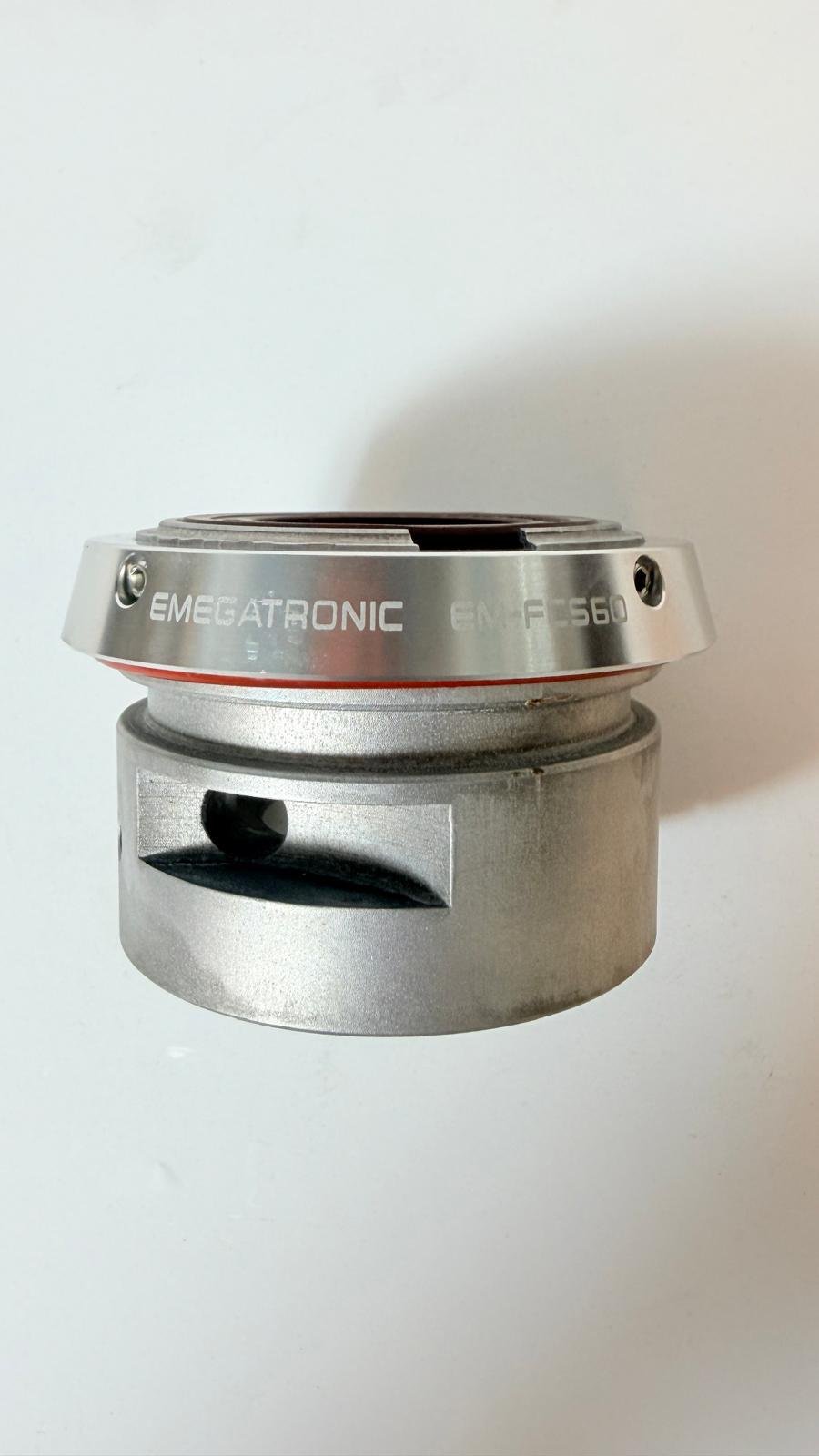
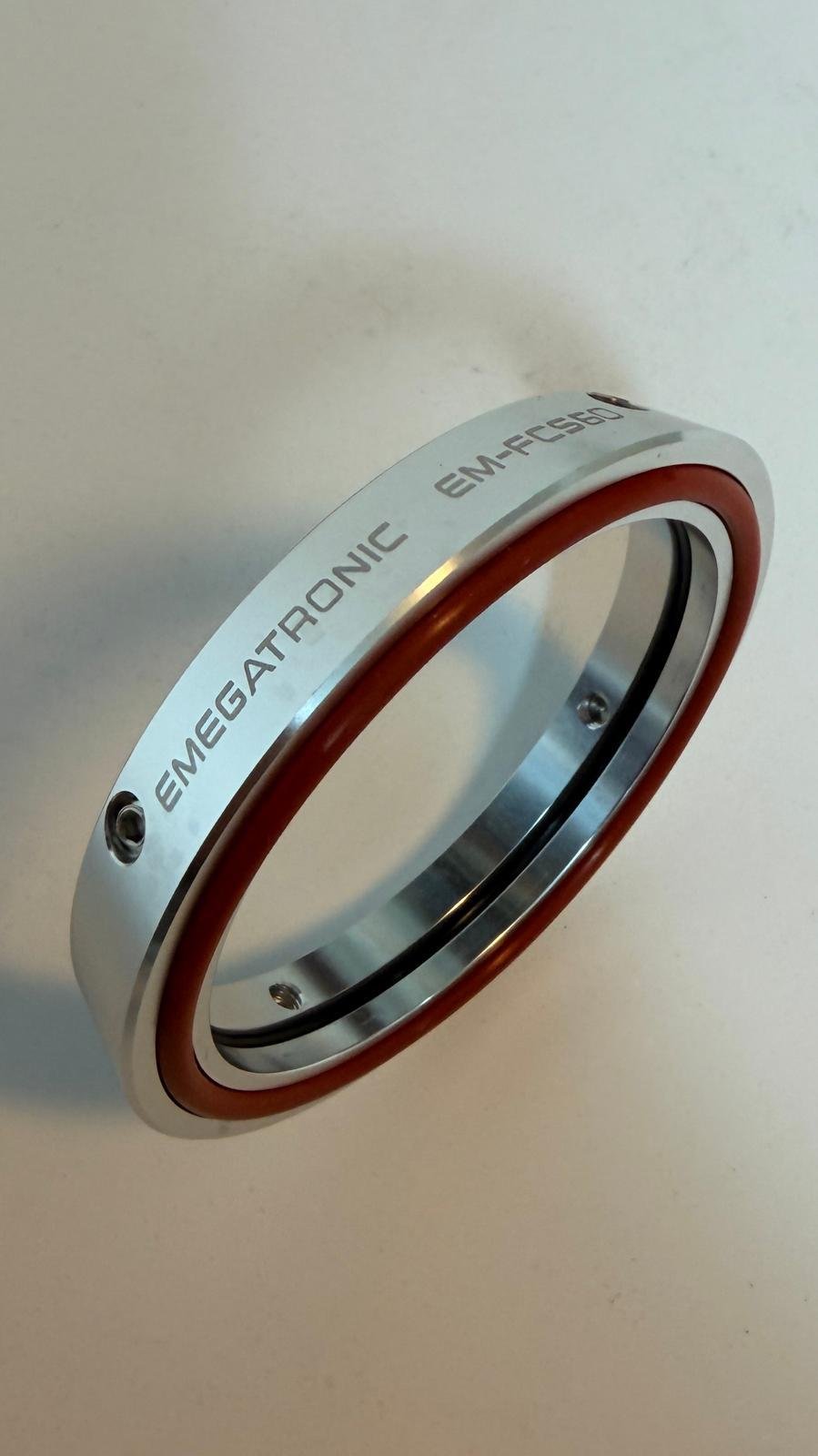
Emegatronic NOSE RING (EM-FCS60) | Porsche Air-Cooled Crankshaft Nose Seal Fix
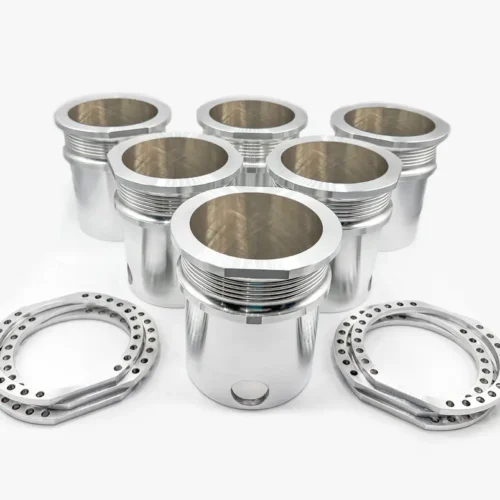
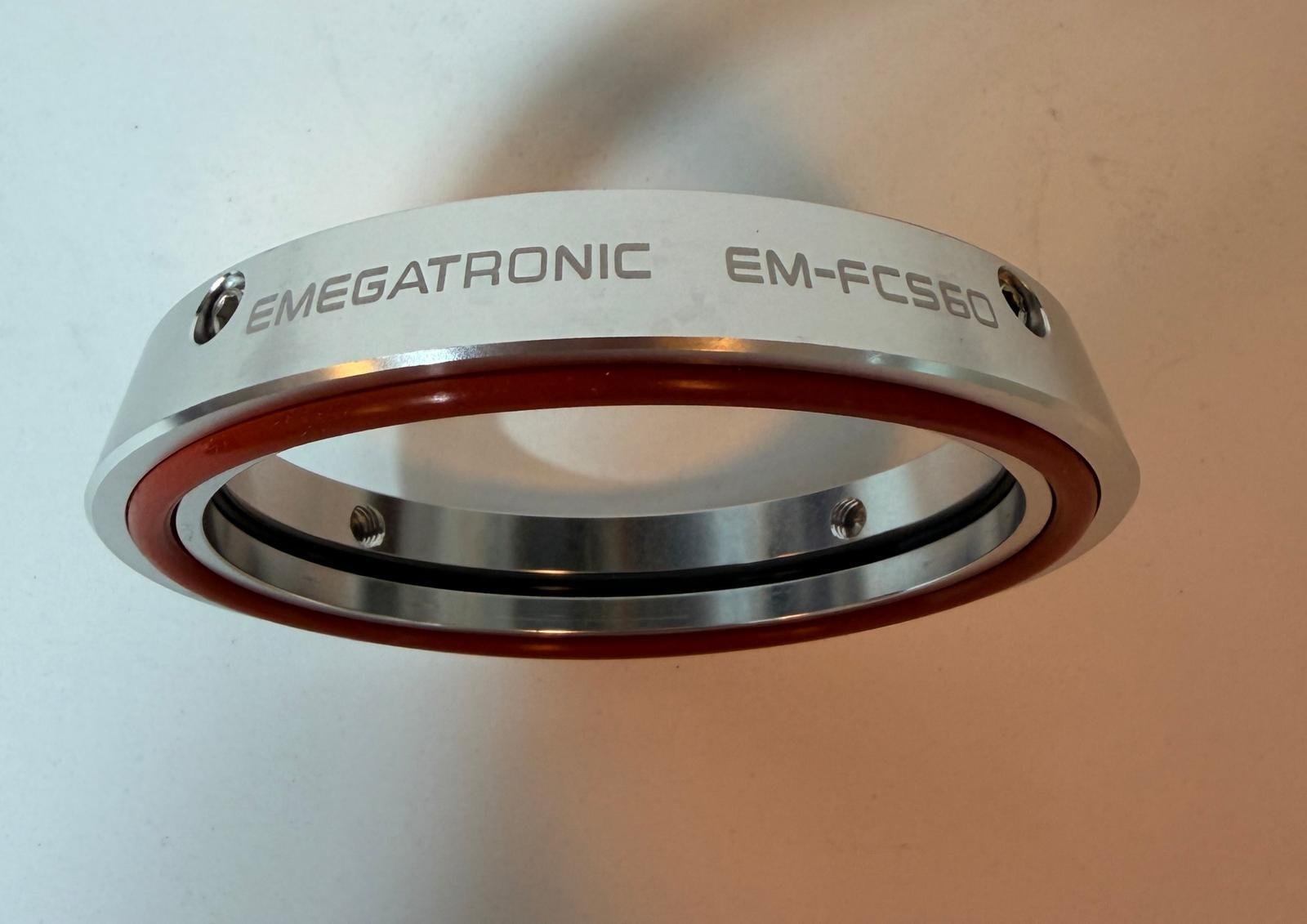
The Porsche crankshaft nose ring restores the worn front section of an air-cooled crankshaft where the oil seal makes contact. Engineers designed this sleeve to press directly onto the crankshaft nose, creating a fresh, precise surface for proper seal engagement and long-term durability.
Over years of operation, the crankshaft nose develops a groove from constant seal friction, causing oil to bypass the sealing lip. Instead of replacing the entire crankshaft, mechanics install this repair sleeve to rebuild the sealing surface quickly and affordably during routine engine maintenance.

(203) 332 7244 Call Us
Description
Stop the leak. Save the engine. Save thousands.
What is the Porsche Crankshaft Nose Ring?
The Porsche crankshaft nose ring restores the worn front section of an air-cooled crankshaft where the oil seal makes contact. Engineers designed this sleeve to press directly onto the crankshaft nose, creating a fresh, precise surface for proper seal engagement and long-term durability.
Over years of operation, the crankshaft nose develops a groove from constant seal friction, causing oil to bypass the sealing lip. Instead of replacing the entire crankshaft, mechanics install this repair sleeve to rebuild the sealing surface quickly and affordably during routine engine maintenance.
Common Crankshaft Nose Wear Problems It Solves
Air-cooled Porsche engines commonly suffer from crankshaft nose grooving, a direct result of thousands of hours running against the oil seal lip. This wear pattern eventually causes persistent oil leaks around the crank pulley, even after installing a brand-new seal.
Without addressing the worn surface, mechanics often reinstall seals that fail again within months. The nose ring eliminates this cycle by providing a smooth, undamaged contact point, allowing the replacement seal to function as effectively as it did on the original crankshaft.
This repair also prevents further oil contamination near the timing cover and crank pulley assembly. By solving the root cause rather than masking symptoms, the nose ring protects surrounding engine components from oil-related corrosion and premature wear over time.
Why Spend $10,000 for a $5 Leaking Factory Seal?
A leaking front nose seal on an air-cooled Porsche engine traditionally meant one thing: pulling the motor and splitting the case to fix a tiny, inexpensive seal—costing thousands of dollars in labor.
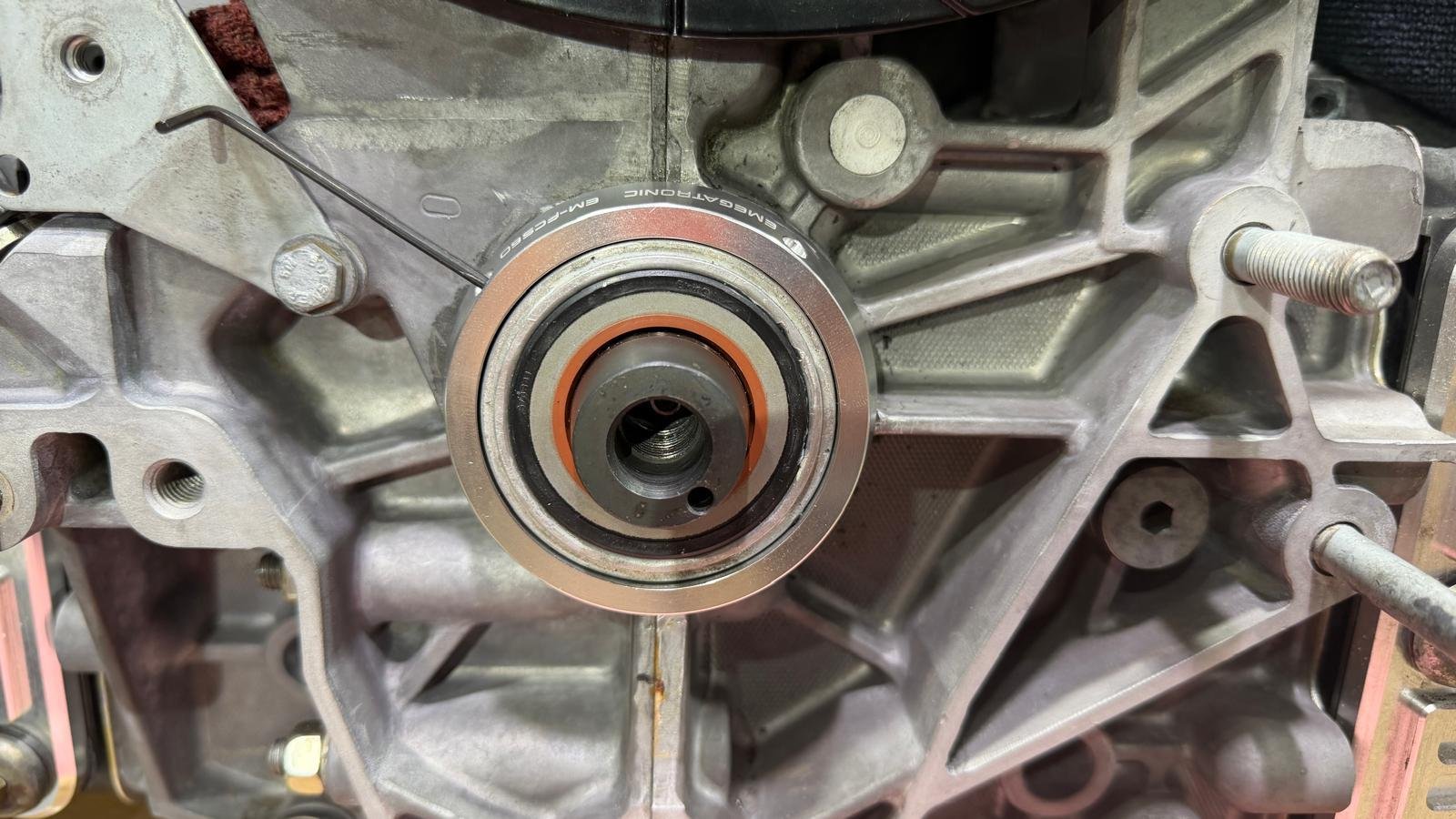
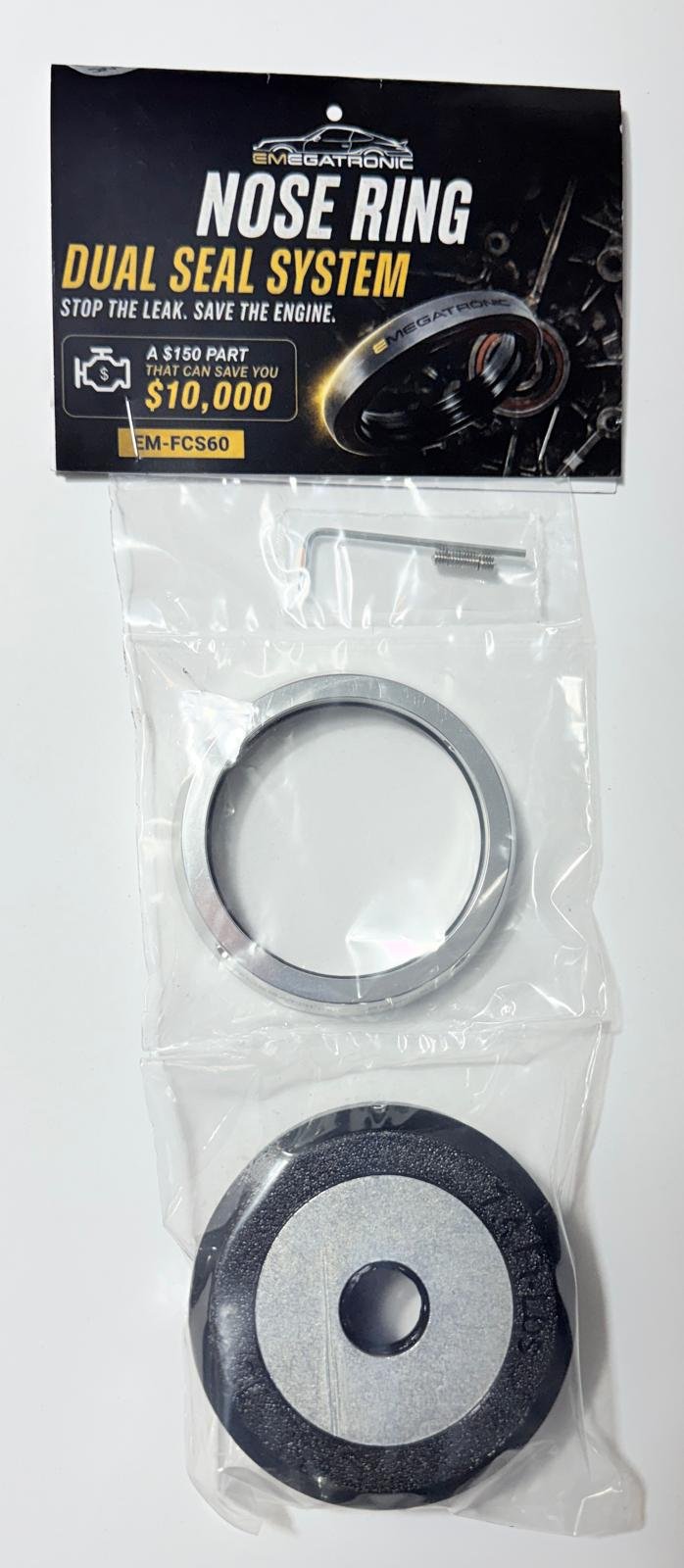
The Emegatronic NOSE RING (EM-FCS60) is the ultimate $150 engineering solution designed to eliminate oil mist, drips, and mess for good—without disassembling your engine.

Why You Need a Porsche Crankshaft Nose Seal Fix
Understand the symptoms, risks, and real engine damage caused by a worn crankshaft nose seal before they become expensive repairs.
Signs of a Worn Crankshaft Nose
A worn crankshaft nose typically presents as a visible metal groove or shiny wear ring at the exact contact point of the old seal lip. This physical damage means the sealing surface itself has degraded, not just the seal component, requiring the nose ring sleeve as a permanent fix rather than a simple seal swap.
Oil Leak Symptoms in Air-Cooled Engines
Air-cooled Porsche engines make leaks harder to catch because constant airflow disperses oil mist before it pools visibly. Instead of relying on obvious puddles, track your oil level between changes and note any unexplained consumption, since that’s often the first measurable clue of a nose seal issue.
Risks of Ignoring Crankshaft Seal Wear
Ignoring a worn crankshaft seal leads to continuous oil loss, contaminated timing components, and potential engine overheating from low lubrication. Prolonged neglect increases repair costs, risks bearing damage, and can eventually force a full crankshaft replacement instead of a simple seal fix.
Key Features & Benefits
- No Engine Teardown Required: Install directly without splitting the engine case or pulling the motor, saving you massive amounts of shop time and labor fees.
- Engineered Dual-Seal System: Features a double barrier that completely contains the factory leaking seal right at the source.
- Specialty High-Temp Silicone Seal: Precision-selected silicone compensates for subtle variations in block height, ensuring a tight, reliable, and consistent seal under extreme operating temperatures.
- Precision CNC 6061 Aluminum: Machined from aircraft-grade 6061 aluminum for maximum strength, precise fitment, and superior corrosion resistance.
- Cost-Effective Protection: Eliminate annoying oil leaks and safeguard your classic air-cooled engine for a fraction of the cost of a full teardown.
Technical Specifications
| Feature | Specification |
|---|---|
| Part Number | EM-FCS60 |
| Material | CNC Machined 6061 Billet Aluminum |
| Seal Type | High-Temperature Specialty Silicone Dual Seal System |
| Compatible Models | Porsche 911, 930, 356 (Air-Cooled Engines) |
| Installation | External / No-Case-Split Required |
How to Install the Nose Ring – Step-by-Step Guide
Tools & Materials Required
Before starting installation, gather a socket wrench set, crankshaft pulley puller, seal removal tool, torque wrench, degreaser, clean shop rags, and the EM-FCS60 nose ring kit. Having these tools ready ensures a smooth, efficient repair process without unnecessary delays or improvised workarounds during the crankshaft seal replacement.
Step 1 – Remove Crankshaft Pulley & Old Seal
Start by loosening the crankshaft pulley bolt and carefully extracting the pulley using a proper puller tool. Once removed, pry out the old, worn oil seal from the timing cover housing, taking care not to scratch or damage the surrounding engine surfaces.
Step 2 – Inspect & Clean Crankshaft Nose Surface
Thoroughly clean the exposed crankshaft nose with degreaser to remove oil residue and debris. Inspect the surface closely for grooves, pitting, or scoring caused by seal friction. This step confirms whether the nose ring repair sleeve is necessary before proceeding further.
Step 3 – Press-Fit the Nose Ring Sleeve
Align the nose ring sleeve precisely over the crankshaft nose and press it firmly into place using a suitable installation tool. Proper alignment guarantees a smooth, even sealing surface, restoring the crankshaft to factory-like condition for reliable long-term seal performance.
Step 4 – Install New Oil Seal
Lubricate the new silicone oil seal lightly before pressing it evenly into the timing cover housing. Ensure it seats squarely against the freshly installed nose ring without tilting, since uneven seating often causes premature leaks and reduces overall seal lifespan significantly.
Step 5 – Reassemble Pulley & Torque Specs
Reinstall the crankshaft pulley and tighten the retaining bolt to Porsche’s specified torque value using a calibrated torque wrench. Correct torque prevents pulley slippage and maintains proper alignment between the crankshaft, seal, and surrounding timing components during operation.
Post-Installation Leak Check
After reassembly, start the engine and monitor the crankshaft nose area closely for several minutes. Check for any oil seepage around the seal or pulley. A dry, leak-free surface confirms successful installation and proper sealing performance.
How to Avoid a Nose Seal Leak (Preventive Maintenance Tips)
Regular Inspection of Crankshaft Nose Area
Make crankshaft nose checks part of your standard oil change routine rather than a one-time diagnosis. Set a recurring interval, remove the pulley periodically, and document surface condition over time. This proactive habit catches early-stage wear long before it turns into a costly, leak-related repair.
Proper Torque & Installation Practices
Torque isn’t a one-time concern — bolts can loosen gradually with heat cycling and vibration over months of driving. Recheck the pulley bolt torque during routine maintenance intervals, since a loosened bolt years later can reintroduce the exact misalignment and leak problem you just repaired.
Choosing the Right Seal Material
If you ever need to replace the seal again down the road, always source a high-temperature silicone-specific seal rather than a generic rubber substitute sold for other engine types. Mismatched seal materials degrade faster under sustained heat, undoing the protection your nose ring repair provides.
Routine Oil Change & Engine Maintenance Tips
Stick to manufacturer-recommended oil change intervals using proper viscosity grades for air-cooled engines. Fresh oil reduces heat buildup and contamination that accelerate seal breakdown. Consistent maintenance, including checking oil levels and quality, keeps the crankshaft nose lubricated properly and minimizes friction-related wear over time.
Warning Signs to Watch For Early
Pay attention to a faint burning odor after long drives, a hazy oil film coating the pulley or fan shroud, or a slight drop in oil pressure readings. These subtle physical cues often appear well before any visible dripping starts, giving you time to act before serious damage occurs.
Smart Engineering. Real Results.
Don’t let a minor seal leak ruin your driving experience or turn into a $10,000 repair bill. Keep your air-cooled engine leak-free with the Emegatronic Nose Ring
FAQs
Do I need to remove the engine to install this nose ring?
No, you don’t need to pull the engine or split the case. The EM-FCS60 installs externally through the timing cover, letting you fix the leak in your driveway or garage without the labor costs of a full teardown.
Will this actually stop my oil leak permanently, or just slow it down?
It solves the root cause, not just the symptom. Since the leak comes from a worn crankshaft nose rather than the seal itself, the sleeve rebuilds that surface, giving the new seal a clean, undamaged contact point for lasting protection.
My crankshaft nose already has a visible groove. Will this still work?
Yes, that groove is exactly the problem this kit fixes. The sleeve presses over the damaged section and creates a smooth new sealing surface, so the existing wear no longer interferes with the seal’s grip.
Is this compatible with my 911, 930, or 356?
Yes, the EM-FCS60 fits Porsche air-cooled engines across the 911, 930, and 356 model lines. Confirm your specific engine variant before ordering to ensure proper fitment with your timing cover and crank pulley setup.
How much money does this actually save compared to a traditional repair?
A traditional fix means splitting the case for a $5 seal, often running into thousands in labor. This kit costs around $150 and skips the teardown entirely, cutting both the repair bill and the shop time significantly.
Why does the seal keep failing even after I replace it with a new one?
A new seal alone can’t fix a worn crankshaft surface. If the nose is grooved, any seal you install will fail again within months because it’s sealing against damaged metal, not a fresh, machined surface.
How long does installation take, and can I do it myself?
With basic tools like a pulley puller, torque wrench, and seal removal tool, the install follows five straightforward steps and typically takes a few hours. No case-splitting or specialized engine-building experience is required.


Reviews
There are no reviews yet.