
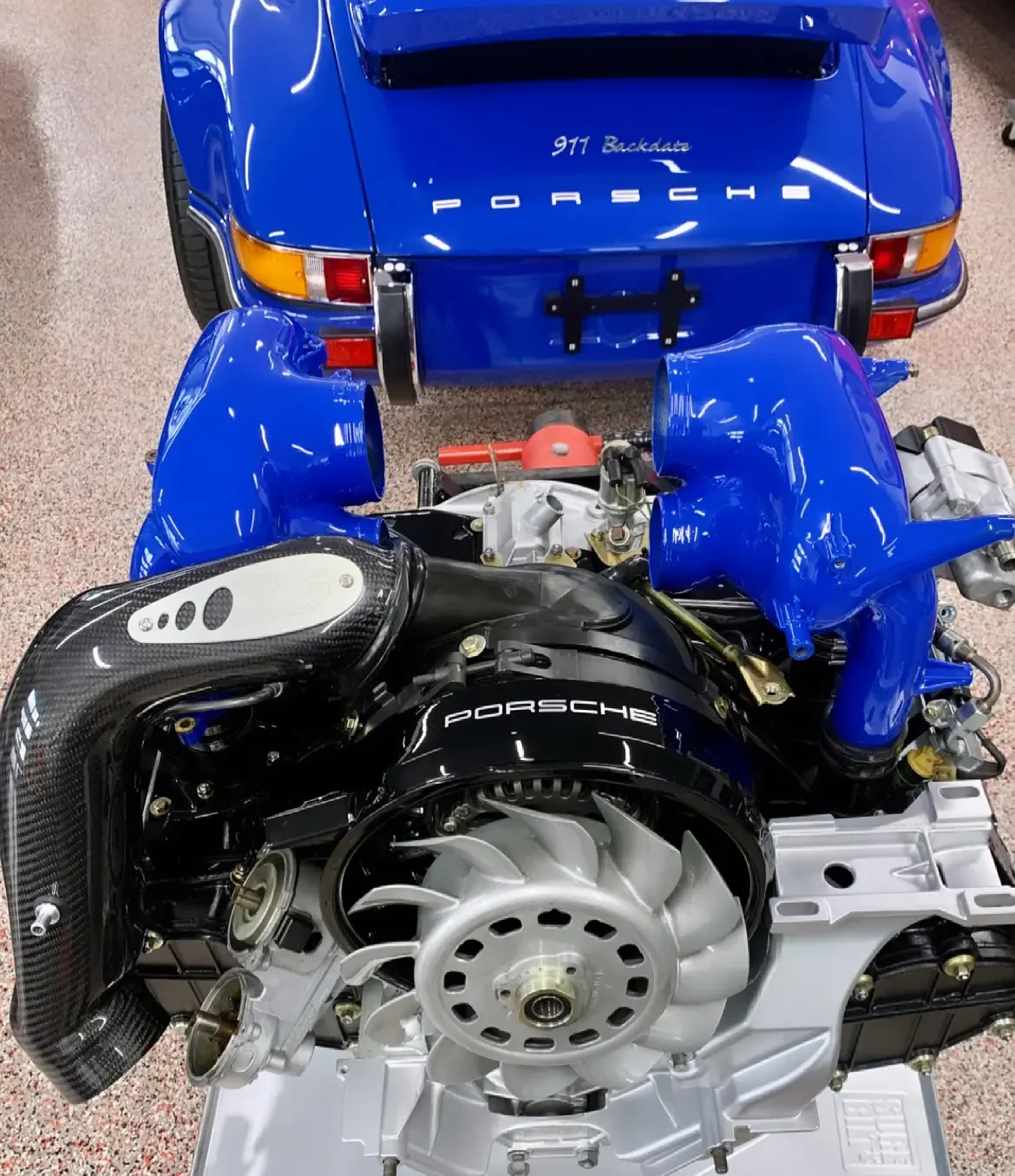
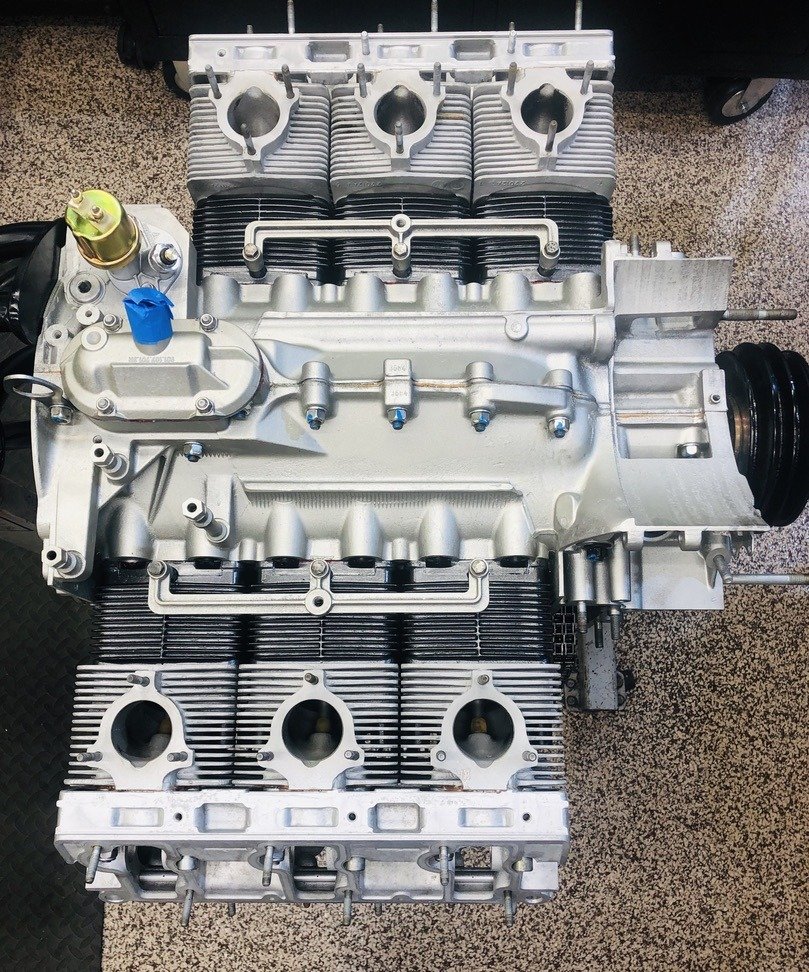
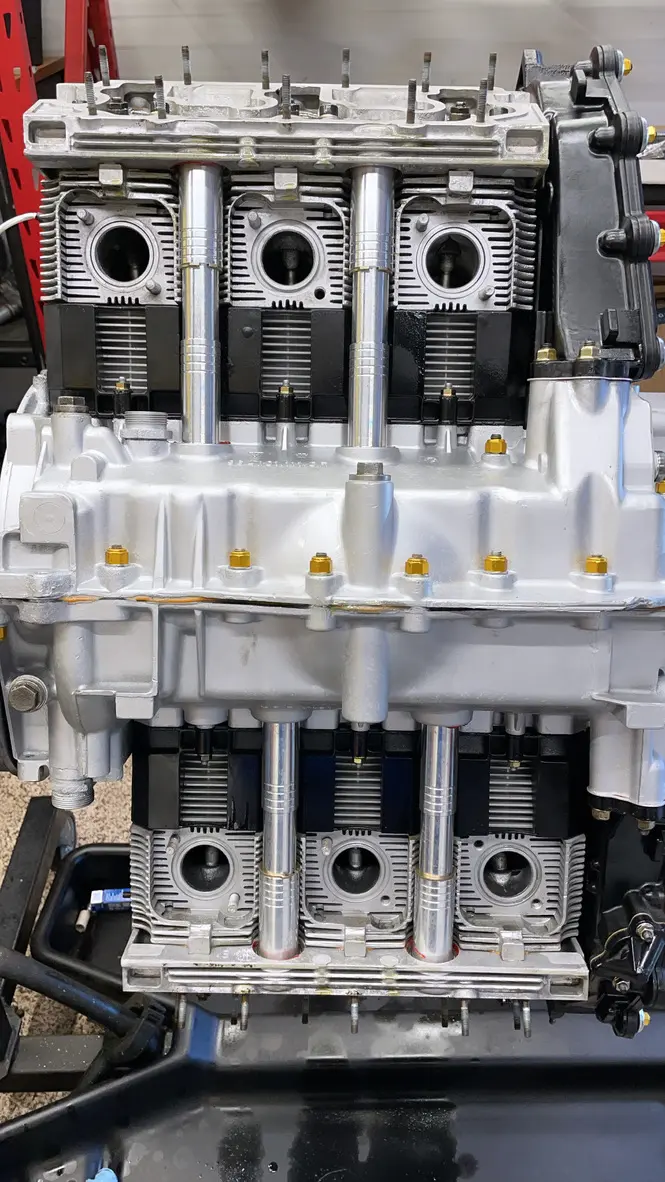
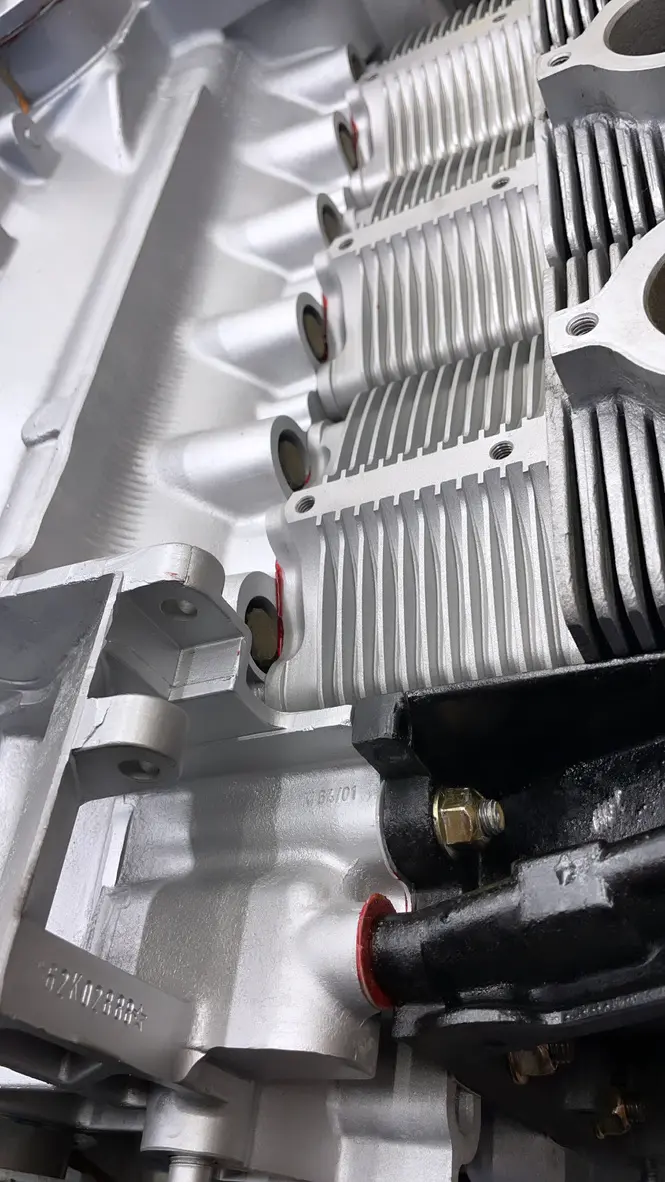
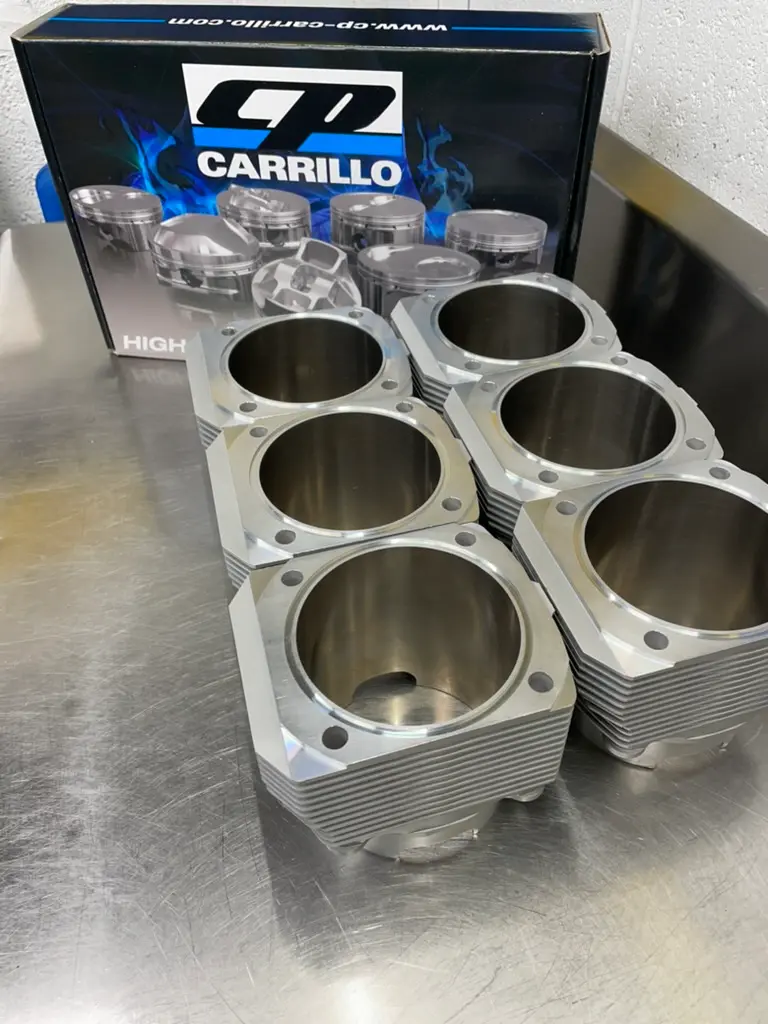
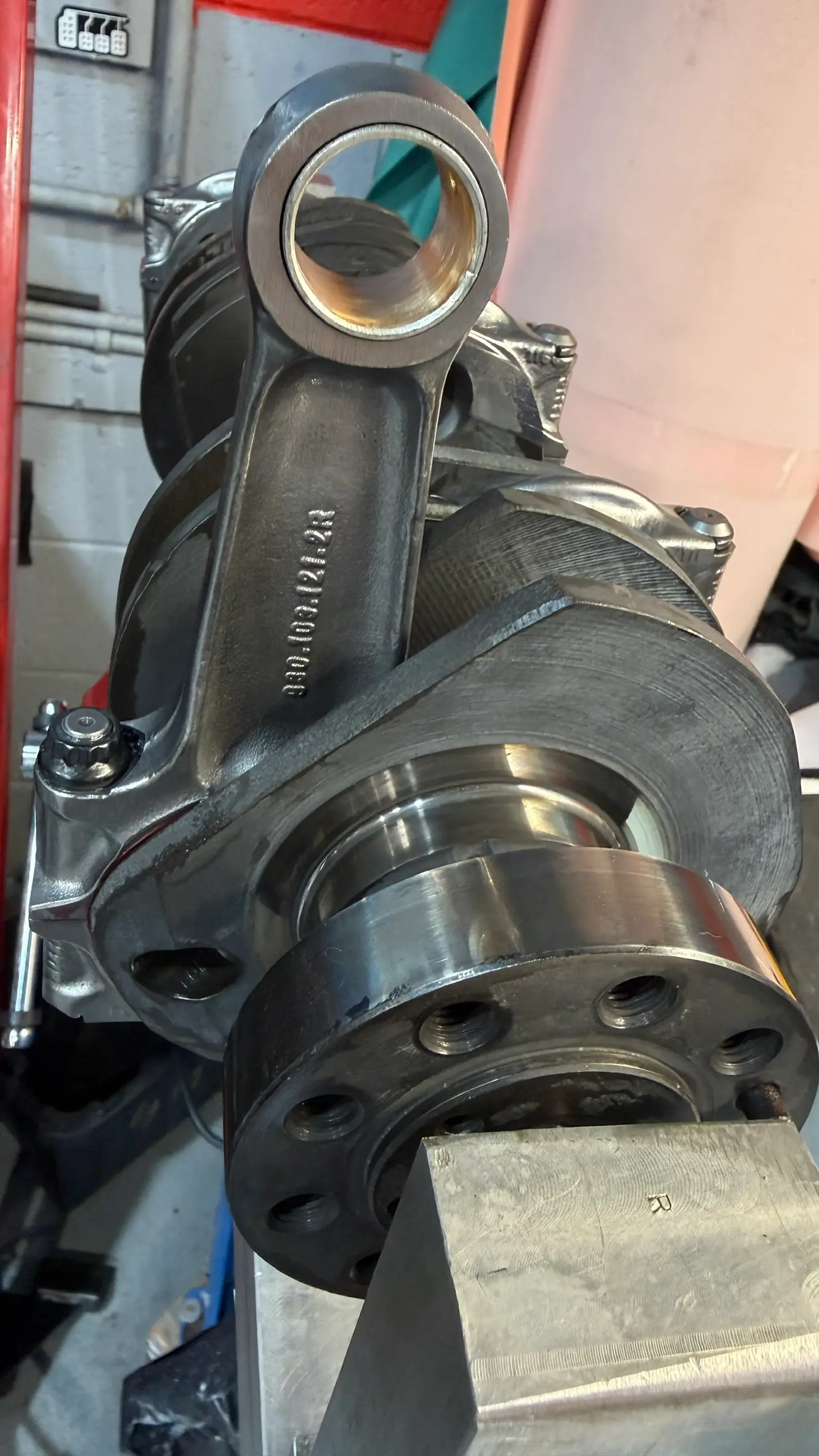
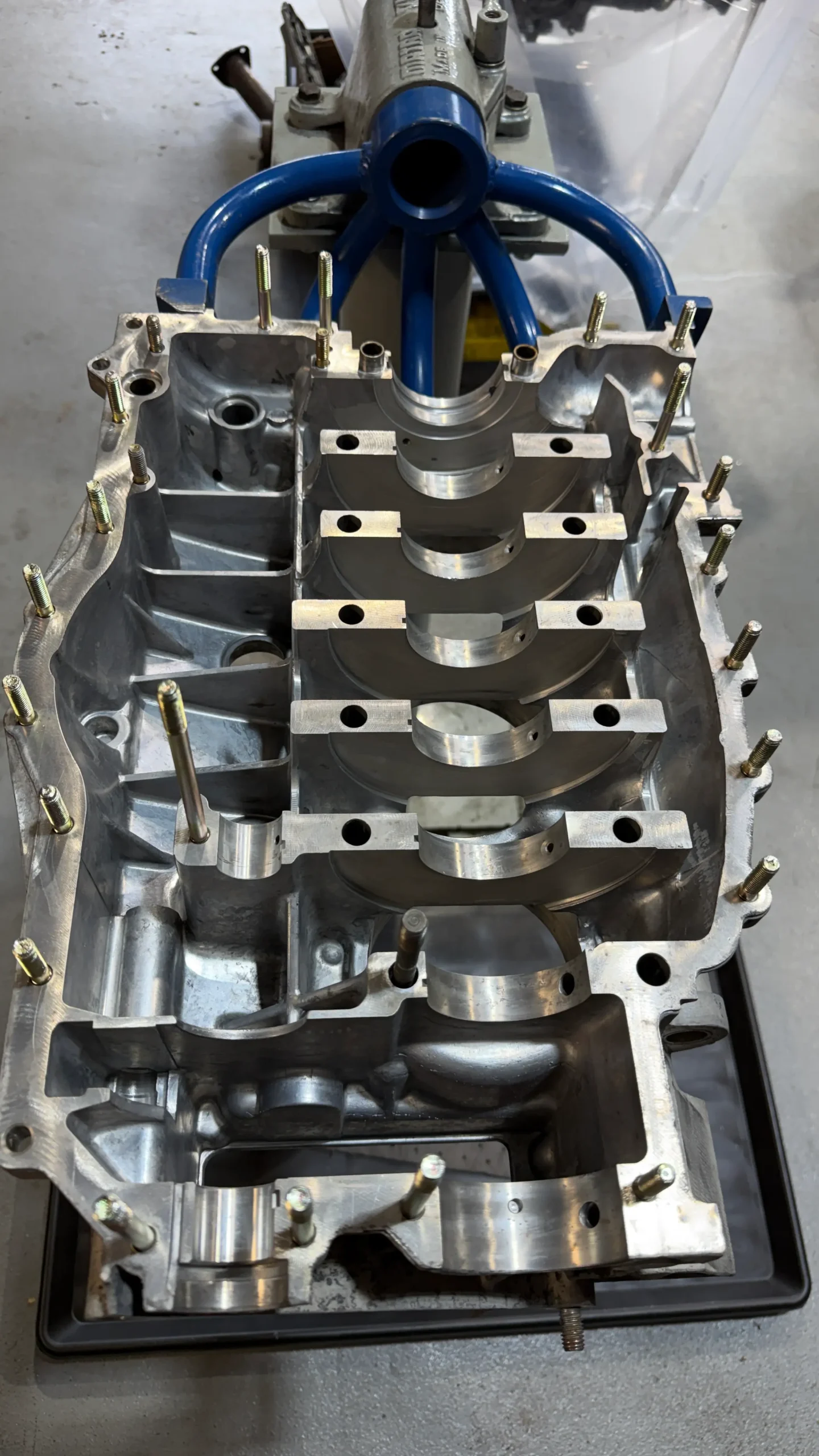
The Ultimate Air-Cooled Resurrection: Porsche 964 Engine Rebuild
Call For Estimate
Why Choose the Emegatronic Rebuild?
A world-class engine must look as good as it performs. Every Emegatronic build includes a complete aesthetic restoration: Whether you are looking for a concours-level restoration or a high-performance 3.6L 3.8L or 4.0L “RS-spec” street-beast, we provide the documentation, the precision, and the passion your Porsche deserves.

(203) 332 7244 Call Us
Description
Your 964 carries the last engine Porsche built before it moved to hydraulic tensioners, coil-on-plug ignition, and the design changes that defined the 993 generation. The M64 flat-six under the deck lid is a strong architecture, but it also carries a well-known set of age-related weak points that show up predictably once an engine crosses 80,000 to 100,000 miles. Emegatronic rebuilds the 964 engine to correct those weak points permanently, not just mask them for another few thousand miles, using machining and parts selection matched to what this specific engine generation actually needs.
Why the 964 Engine Develops Problems Other Air-Cooled 911s Do Not
The 964 sits in an unusual spot in Porsche history. It carries a larger displacement flat-six than the 3.2 Carrera before it, but it predates the case, tensioner, and ignition revisions that came with the 993. That combination creates a specific failure pattern.
- Dual mass flywheel wear that shows up as a shudder at idle or a rattle on takeoff
- Timing chain tensioner failure, particularly on early production 964s that still ran the original tensioner design before the factory revision
- Rear main seal and case-half seepage that worsens gradually rather than announcing itself
- Head stud stretch that produces the classic oil weep at the cylinder base
- Distributor drive wear that shows up as a rough idle or intermittent misfire
- Oil pressure that drops at hot idle after a long highway run
- 80,000 to 100,000 miles on the clock without a documented major service
Preventive Rebuild vs Reactive Rebuild
A preventive rebuild happens before a failure strands you, usually triggered by mileage, a pre-purchase inspection finding, or early symptoms like a flywheel rattle. A reactive rebuild happens after something has already let go, most often a timing chain tensioner or a spun bearing, where secondary damage to the case, cylinder walls, or crankshaft is already in play. The 964’s known tensioner weakness makes preventive timing especially important on this generation compared to later air-cooled models.
Inside an Emegatronic 964 Engine Rebuild
Every 964 core follows the same disciplined path through our Bridgeport shop, whether it is a Carrera 2, Carrera 4, or an RS-spec build.
Teardown and Wear Pattern Diagnosis
We pull the engine, take it apart down to the case halves, and run parts through a cleaning process that strips off years of built-up carbon and grime before we look at anything closely. From there we inspect the case for the specific wear signatures common to this generation, including tensioner rail wear and case-half sealing surface condition, so the rebuild addresses root cause rather than just replacing worn parts with new versions of the same parts.
Case and Crankshaft Work
Before we touch a machine, the crankshaft gets a magnetic particle inspection to rule out hidden cracking, then we polish the journals and balance the whole rotating assembly together with the flywheel and pressure plate as one unit. On the case, we pay close attention to bore alignment, because a 964 that has run with loose bearings or a failing tensioner often shows bore wear that never shows up on a quick visual check.
Timing Chain and Tensioner Upgrade
This is the single most consequential decision on a 964 rebuild. We replace the original tensioner design with the updated factory specification, along with new chains, guide rails, and sprockets, closing off the failure mode that has damaged more 964 engines than almost any other single component.
Cylinder Head and Valvetrain Rework
- Phosphor bronze valve guides go in place of the factory guides, cutting friction and pulling heat away from the valve stem more effectively
- We recut the seats with a multi angle grind tuned for the flow the 964 actually needs in daily and spirited driving, not a generic performance profile
- Head decks come off the mill dead flat, which is what actually stops the classic 964 oil weep rather than another round of sealant
- Fresh valve springs and retainers go in on every build as a baseline, not an upsell
- We swap the factory head studs for a higher strength equivalent, since stretched studs are the root cause behind the case seepage owners see on higher mileage 964s
Flywheel and Clutch System Decision
We inspect the dual mass flywheel for play and wear, and walk you through the tradeoff between replacing it with an equivalent dual mass unit or converting to a lightweight single mass flywheel. The single mass option removes a known failure point entirely and sharpens throttle response, at the cost of some of the factory’s smoothness at idle.
Distributor and Ignition Service
We inspect the distributor drive gear and shaft for wear, service or replace it as needed, and verify ignition timing against factory specification once the engine is reassembled. This step matters more on the 964 than later generations, since a worn distributor drive produces symptoms that are easy to misdiagnose as a fuel or sensor problem.
Bearings, Seals, and Oil System
New main and rod bearings go in as standard, along with a complete gasket and seal package using upgraded seals at the rear main and case half to address the seepage points most common on this engine. We inspect the oil pump, cooler, and lines, and confirm oil pressure holds steady at hot idle before the engine goes back in the car, directly addressing the low hot idle pressure symptom that brings many 964 owners to us in the first place.
Cosmetic Finishing
For owners restoring a numbers matching car or preparing for a concours event, we offer powder coated covers, re-plated hardware, and vapor blasted castings that bring the engine bay up to the same standard as the mechanical work underneath.
Final Testing and Delivery
Before anything ships, we pull a leak down and compression reading off every cylinder individually and log the numbers. The engine then spends time on the stand running through a cold start and a full heat cycle so we can watch oil pressure, chain tension, and temperatures behave the way they should under real load, not just at a fast idle. You get the engine back with a written break-in schedule that spells out the first few hundred miles, since how you drive a freshly built engine home matters as much as how we built it.
Packages, Warranty, and Shipping
What Each Package Covers
| Package | Scope | Best For |
|---|---|---|
| Standard | Full teardown, case and crank machining, tensioner upgrade, new bearings, seals, and gaskets, factory spec valve job | Daily drivers and owners who just want the car reliable again |
| Performance | Everything in Standard, plus phosphor bronze guides, upgraded head studs, a multi angle valve job, and the option to go lightweight on the flywheel | Weekend drivers who want more feel from the car |
| Concours / Custom | Everything in Performance, plus forged pistons, full cosmetic restoration, and documentation suited to a numbers matching build | Collectors and cars headed to a show or a serious buyer |
We cannot quote a firm number sight unseen. Once your core is on the bench and we know exactly what condition it is in, you get a real figure tied to the package you pick.
What the Warranty Actually Covers
We stand behind our work for 12 months or 12,000 miles, whichever you hit first, on the parts we touch: case, crankshaft, cylinder heads, valvetrain, bearings, the timing chain system, and every seal we replaced. What voids it is skipping the break-in schedule, running the car with neglected oil service, or a failure in something outside the engine that we never worked on. Stick to the break-in schedule and keep up with the first oil service, and the coverage stays in force.
Getting Your Core To Us and Back
Tell us where the engine is and we will sort out crating instructions or set up freight pickup on our end. The moment it lands in our shop we open it up and log its actual condition, so if there is damage beyond what we expected going in, you hear about it and approve it before we spend a dollar on machining. Once the rebuild wraps, we crate it, insure it for the trip, and get it moving, whether that is a local hand off in Bridgeport, CT or a pallet headed overseas. Distance is not a limiting factor. We work with customers across the country and abroad, worldwide, on a routine basis.
Frequently Asked Questions
My 964 has a slight shudder at idle. Does that mean I need a full rebuild?
Not necessarily on its own. A shudder at idle is the classic early sign of dual mass flywheel wear, which we can sometimes address on its own if the rest of the engine is healthy. We recommend a full inspection first, since flywheel symptoms and early tensioner wear can present similarly and need different fixes.
Has my engine’s timing chain tensioner already been updated, or is it still the original design?
We check this as one of the first steps during teardown, since early production 964s often still carry the original tensioner design. If yours has not been updated, we treat that as a priority item regardless of what else the engine needs, since it is the most common cause of catastrophic failure on this generation.
Should I switch to a single mass flywheel or stay with dual mass during the rebuild?
It depends on how you use the car. A single mass flywheel removes a wear item permanently and sharpens response, but changes the idle character from what the factory intended. We walk through both options with you once we see the condition of your current flywheel and understand how you drive the car.
Is a Carrera 4’s engine rebuild any different from a Carrera 2’s?
The core engine is shared across both drivetrains, so the rebuild scope is the same. The difference shows up outside the engine, in the front differential and driveline components the Carrera 4 carries, which are outside the scope of an engine rebuild itself.
My engine has been sitting unused for several years. Does that change anything?
Yes. A long dormant engine often shows different wear patterns than a daily driven one, including dried seals, varnished oil passages, and sometimes corrosion on cylinder walls that were left without a protective oil film. We inspect for this specifically and will flag any additional work before proceeding.
Can you document the rebuild for a numbers matching or collector car?
Yes. We provide a build sheet with measured tolerances, part numbers for everything installed, and test results from the final leak down and compression check, which supports valuation and provenance for collector cars.
Do you ship completed engines outside the United States?
Yes. We ship internationally and handle delivery worldwide, with crating and insured freight arranged through our shop regardless of destination.




Related products
Porsche Engine Block for M96/M97 (1998-2001) 3.4L
Porsche Engine Block for M96/M97 (2004-2006) 3.2L
Porsche Engine Block for M96/M97 (2006-2008) 3.8L
Porsche Engine Block for M96/M97 (2007-2008) 3.4L

Reviews
There are no reviews yet.